
Haitian Proverbs: Worth a Deeper Look
By HAITIBEST
The other day, a friend shared a Haitian proverb her mother often says:
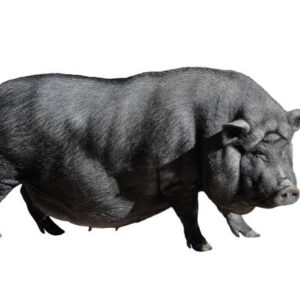
“Se grès kochon ki kwit kochon.”
Translation: “It’s the pig’s own fat that cooks it.”
I’ve always loved proverbs—they’re like little riddles wrapped in wisdom. When I first heard this one, I thought I had it figured out. To me, it seemed to mean that we often carry the seeds of our own downfall. Feeling clever, I said, “So your mom was telling you that you’re your own worst enemy!”
My friend just laughed. “Not exactly,” she said. “She means it’s important to rely on yourself—on your own resources—to get things done. Use your own ‘fat,’ so to speak.”
That made me see it in a whole new way. I had identified with the pig—poor thing—but from a Haitian perspective, it’s more about making use of what you already have. In that sense, the pig cooking in its own fat is actually a good thing!
Like most Haitian proverbs, “Se grès kochon ki kwit kochon” can be interpreted differently depending on the situation. But there’s usually a core meaning rooted deeply in Haitian culture—one that’s not always obvious to someone learning Creole as a second language. That’s why taking the time to study these sayings is so valuable: you end up learning much more than just vocabulary.
Here’s another example:
“Mache, chache pa janm dòmi san soupe.”
Translation: “Those who walk and search will never go to bed hungry.”
At first glance, this sounds like a motivational tip: work hard, and you’ll succeed. That’s a very American interpretation. In Haiti, though, the proverb is a bit of a warning: “Those who go looking for trouble are sure to find it.” Just because someone finds something to satisfy their hunger doesn’t mean it’s something good.
Studying Haitian proverbs gives you a real window into how Haitians think, joke, and express themselves.
So next time you hear a Haitian proverb, take a moment. Think about what it means to you, then see if there’s another meaning you might have missed. Doing this is a simple but powerful way to understand a culture that might see the world differently from your own. And when you understand someone better, communication—and connection—comes naturally.
Quick Takeaways for Haitian Proverbs Lovers
- Don’t rush: A proverb usually has more than one layer of meaning. Pause, reflect, and enjoy the mental puzzle.
- Look it up: Ask a Haitian friend or check a reliable source—your first interpretation might be off!
- Think culturally: Meanings are deeply rooted in Haitian history, humor, and everyday life.
- Connect through language: Learning proverbs is more than vocabulary—it’s a peek into how Haitians see the world.
- Have fun with it: Some sayings are serious, some are ironic, and some are downright funny. Enjoy the ride!
Haitian Proverbs Quiz
1. What does the proverb “Se grès kochon ki kwit kochon” literally translate to in English?
A. The pig cooks itself
B. It’s the pig’s own fat that cooks it
C. A pig in the mud is happy
D. Pig fat is delicious
2. In the blog, what was the first interpretation of this proverb by the author?
A. It encourages self-reliance
B. It means we can be our own worst enemies
C. It’s a warning about trouble
D. It’s a humorous saying about pigs
3. What is the actual cultural meaning of “Se grès kochon ki kwit kochon” according to the friend in the blog?
A. Use your own resources to get things done
B. Avoid pigs at all costs
C. Be careful of your enemies
D. Always help others
4. Which perspective did the author first identify with in the proverb?
A. The person eating the pig
B. The pig itself
C. The pig’s fat
D. The farmer
5. What is the translation of the proverb “Mache, chache pa janm dòmi san soupe”?
A. Walk and search to avoid trouble
B. Those who walk and search will never go to bed hungry
C. Travel far to find happiness
D. Work hard and you will succeed
6. What is the common American interpretation of “Mache, chache pa janm dòmi san soupe”?
A. Work hard and you will succeed
B. Don’t search for trouble
C. Use your own resources
D. Stay at home
7. What is the actual Haitian meaning of “Mache, chache pa janm dòmi san soupe”?
A. Be ambitious and industrious
B. Those who go looking for trouble are sure to find it
C. Always eat before bed
D. Share your food with others
8. According to the blog, why is studying Haitian proverbs important?
A. They are easy to memorize
B. They teach more than vocabulary; they reveal cultural thinking
C. They are fun to say
D. They replace formal learning
9. What should you do when you encounter a Haitian proverb for the first time?
A. Ignore it
B. Think about its meaning and look up alternative interpretations
C. Translate it literally only
D. Make up your own meaning
10. Which of these is a key takeaway from Haitian proverbs, according to the blog?
A. Proverbs are always literal
B. Humor and irony are often embedded in the sayings
C. There is only one correct meaning for each proverb
D. Proverbs are irrelevant for learning culture
Answers
- B – It’s the pig’s own fat that cooks it
- B – It means we can be our own worst enemies
- A – Use your own resources to get things done
- B – The pig itself
- B – Those who walk and search will never go to bed hungry
- A – Work hard and you will succeed
- B – Those who go looking for trouble are sure to find it
- B – They teach more than vocabulary; they reveal cultural thinking
- B – Think about its meaning and look up alternative interpretations
- B – Humor and irony are often embedded in the sayings